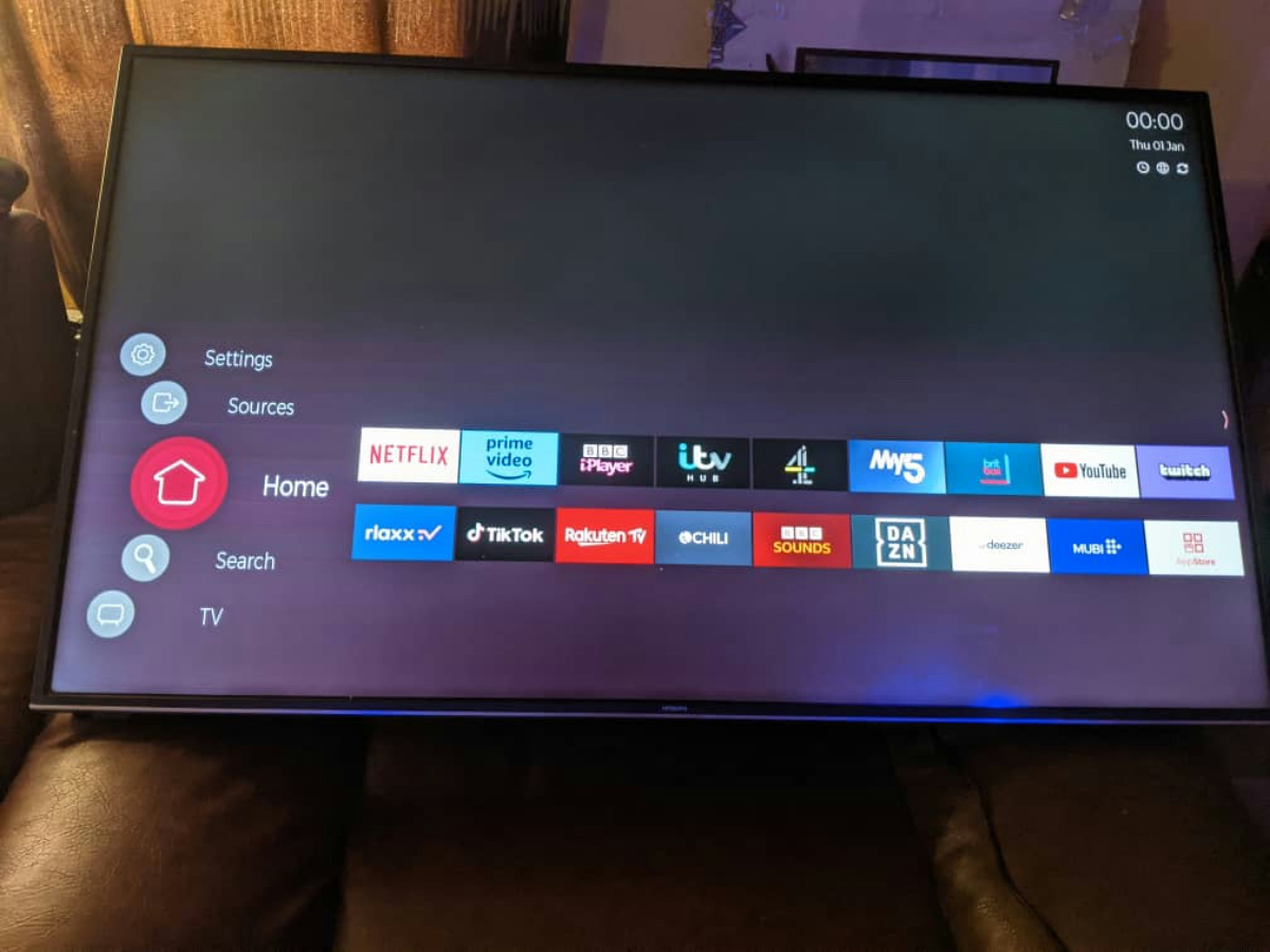
Introduction to IPTV Technology
IPTV, or Internet Protocol Television, represents a significant advancement in the way that television content is delivered and consumed. Unlike traditional cable or satellite television, which transmits signals through dedicated channels, IPTV operates over internet protocol networks. This means that television services are delivered using the same internet infrastructure that supports web browsing and streaming services. As a result, IPTV allows users to access their favorite shows, movies, and sporting events through a seamless internet connection.
The core technology behind IPTV involves streaming content rather than downloading it. When a viewer selects a program to watch, the desired content is sent as data packets over the user’s internet connection. This real-time data transmission enables on-demand viewing, allowing users to watch content whenever they choose, rather than adhering to a scheduled broadcast. Moreover, IPTV systems often utilize advanced compression techniques such as MPEG-4 to ensure high-quality video delivery while minimizing bandwidth usage.
One of the significant benefits of IPTV is its ability to offer a vast library of content that can include live TV, video-on-demand services, and even time-shifted media. This flexibility encourages a substantial shift from traditional television to internet-based solutions, as viewers increasingly seek personalized viewing experiences tailored to their preferences. Additionally, IPTV systems can often support multiple devices, allowing access on smartphones, tablets, and smart TVs, further enhancing the convenience of television viewing.
In summary, IPTV technology represents a transformative approach to television consumption, combining the benefits of internet connectivity with the traditional viewing experience. As we look forward to 2026, the evolution of IPTV applications and services will undoubtedly continue to play a critical role in shaping the future of entertainment consumption.
The Evolution of IPTV Apps
Over the past few years, IPTV apps have witnessed significant advancements, particularly from 2020 to 2026. As the demand for streaming services continues to rise, developers have prioritized enhancing user experience, resulting in profound changes in functionality and design. The transition from basic streaming capabilities to sophisticated platforms reflects a deep understanding of viewer needs and technological advancements.
Initially, IPTV apps primarily focused on delivering live television broadcasts, but recent innovations have enabled them to support on-demand content alongside interactive functionalities. For instance, features such as personalized recommendations powered by artificial intelligence have become commonplace, allowing users to enjoy a tailored viewing experience. By analyzing viewing habits, these applications can suggest relevant content, making it easier for users to discover new shows and movies.
Furthermore, multiple integrations with social media platforms have enriched the viewing experience. Viewers can share their favorite moments or discuss content in real time with friends, facilitating a community-based approach to media consumption. Enhanced user interfaces also play a crucial role in the evolution of these apps, streamlining navigation and ensuring that users can effortlessly find what they are looking for without unnecessary complexity.
Additionally, security has become a salient feature, with IPTV apps implementing advanced encryption techniques to protect user data and ensure safe streaming. This focus on user privacy and security reflects the growing concerns of consumers in the digital age.
By 2026, the evolution of IPTV apps will likely include even more immersive technologies, such as 8K streaming, augmented reality (AR), and virtual reality (VR) accessibility, further transforming how audiences engage with television shows and films. The continuous enhancements solidify the role of IPTV as a leading entertainment medium, adapting to the dynamic landscape of viewer preferences.
Current Trends in IPTV Applications
As we survey the landscape of IPTV applications in 2026, several notable trends are emerging that indicate a significant shift in how users interact with content. One of the most pronounced trends is the growing emphasis on personalization. IPTV apps are increasingly leveraging advanced algorithms and user data analytics to curate content that is tailored to individual preferences. This level of customization not only enhances user satisfaction but also fosters a deeper connection between the viewer and the content offered, driving user engagement to unprecedented levels.
An additional trend defined by modern IPTV applications is multi-device support. With users accessing content on various devices, from smart TVs to smartphones and tablets, IPTV services are ensuring that their applications are seamlessly operable across platforms. This adaptation is vital as it meets the evolving habits of consumers who demand flexibility and convenience in their viewing experiences. By enabling smooth transitions between devices, IPTV apps are enhancing user retention and satisfaction.
Moreover, the integration of social media features is becoming increasingly prevalent within IPTV applications. As users seek to share and discuss their viewing experiences, IPTV developers are incorporating functionalities that allow easy sharing of content on social platforms. This not only helps in pushing content virally but also enhances community engagement among viewers. Users can voice their opinions on shows in real-time, attend virtual watch parties, and participate in interactive content through social media links embedded within the IPTV app interface.
In light of these trends, it’s evident that IPTV apps are evolving in response to user needs and technological advancements. With personalization, multi-device compatibility, and social media integration at the forefront, the user experience is becoming richer and more engaging in ways that were previously unimaginable.
Key Players in the IPTV Market
As we venture into 2026, the IPTV market continues to evolve, enriched by the contributions of several key players. Prominent companies have emerged, defining the landscape with their innovative IPTV apps and services. Among these, Netflix remains a formidable influence. Adapting to the demands for live television alongside on-demand content, Netflix is integrating IPTV capabilities, allowing users to access a blend of traditional broadcasting and original programming.
Another significant player is Roku, which has established its foothold by offering a versatile platform that supports a wide array of IPTV apps. Roku’s strategy revolves around providing accessibility and user-friendly navigation, catering to an audience that seeks both convenience and variety in their viewing options. The company has successfully forged partnerships with various content providers, thus broadening its reach and appeal.
Equally noteworthy is Amazon with its Prime Video service. This platform has been increasingly integrating IPTV functionalities to attract subscribers looking for a comprehensive entertainment solution. Amazon’s expertise in customer service, coupled with tailored content suggestions, positions it favorably in the competitive IPTV landscape.
Moreover, the telecom giants such as Comcast and AT&T have made significant strides in the IPTV domain. These companies are leveraging their extensive infrastructure to deliver robust IPTV services, often bundled with internet and mobile services, thus enhancing customer retention.
Lastly, emerging startups are beginning to make their mark, offering niche IPTV solutions that cater to specific audience segments. By providing specialized content and innovative features, these new entrants challenge established players and enrich the IPTV ecosystem.
Overall, the IPTV market in 2026 is characterized by both established giants and innovative newcomers, each carving out its own niche and pushing the boundaries of what IPTV can offer.
Technological Advancements Driving IPTV Apps
As we venture into 2026, the landscape of Internet Protocol Television (IPTV) continues to evolve, heavily influenced by cutting-edge technological advancements. One of the most significant innovations facilitating this evolution is the widespread adoption of 5G technology. The introduction of 5G networks provides faster internet speeds and lower latency, essential for providing high-definition content seamlessly. This enhancement in bandwidth allows users to enjoy uninterrupted streaming experiences, minimal buffering, and the ability to watch multiple channels simultaneously, thereby increasing overall user satisfaction.
In addition to 5G, the integration of Artificial Intelligence (AI) is transforming IPTV apps by personalizing content and improving user interfaces. AI algorithms analyze user preferences and viewing habits to deliver tailored recommendations, thereby enhancing user engagement. These intelligent systems are capable of learning from individual interactions, ensuring that the content served is relevant and appealing to each viewer. Moreover, AI-driven chatbots are being deployed within IPTV applications to assist users in navigating content libraries, making technical inquiries, and resolving issues efficiently.
Machine Learning (ML) also plays a pivotal role in optimizing streaming experiences. By employing predictive analytics, IPTV platforms can better forecast bandwidth requirements and adjust video quality in real time to ensure that users receive the best possible viewing experience. This technology not only enhances content delivery but also empowers providers to manage network traffic more effectively, thus maintaining service reliability even during peak usage.
Overall, the convergence of 5G, AI, and ML technologies marks a transformative period for IPTV applications. These advancements not only elevate the quality of service for end-users but also broaden the scope of content accessibility and personalization. The synergy of these technologies positions IPTV as a formidable player in the entertainment realm, promising an enriched viewing landscape for consumers in the years to come.
User Experience and Interface Design in IPTV Apps
As the demand for Internet Protocol Television (IPTV) continues to grow, so does the importance of user experience (UX) and user interface (UI) design in IPTV applications. In 2026, the design of these apps has evolved significantly, focusing on intuitive navigation and aesthetically pleasing interfaces to cater to diverse user preferences. A seamless user experience is paramount, as it directly influences viewer engagement and satisfaction. Key features such as easy access to content, personalized recommendations, and responsive design have become essential elements.
One exemplary IPTV app that stands out this year is StreamSmart, which utilizes a minimalistic approach, ensuring that users can easily locate their desired shows and channels without unnecessary distractions. Its layout emphasizes clarity, using a grid system that categorizes content based on user preferences, viewing history, and trending shows. Such organization not only enhances usability but also reduces the time spent searching for content, thus promoting a more enjoyable watching experience.
Moreover, advanced UI elements such as voice search capabilities and gesture controls have been integrated into leading IPTV applications, thereby facilitating a more interactive experience. Users can simply speak their requests or swipe through options, making it accessible for all age groups. Additionally, the visual appeal of these apps is enhanced through the use of high-quality graphics and animations that provide a modern touch, making the content display more engaging.
In summary, the progress in user experience and interface design within IPTV apps by 2026 reveals a clear commitment to meeting user needs effectively. By prioritizing usability and aesthetics, these platforms not only improve the viewing experience but also foster deeper connections with their audiences, paving the way for the future of IPTV technology.
Challenges Facing IPTV App Developers
As the realm of Internet Protocol Television (IPTV) continues to evolve, app developers face a multitude of challenges that can hinder innovation and the quality of service provided to consumers. One significant obstacle is navigating the complex landscape of regulatory environments across different countries. IPTV services often grapple with strict regulations that vary dramatically from one region to another, involving licensing requirements, content distribution agreements, and adherence to local laws. This complexity can stifle creativity and delay the deployment of new features or updates, as developers must prioritize compliance over enhancement.
Another challenge that IPTV app developers encounter is related to internet bandwidth limitations. For effective streaming, a stable and high-speed internet connection is essential. However, many users still experience inadequate bandwidth due to geographical or infrastructural restrictions. As a result, developers are frequently tasked with finding ways to optimize their applications for various connection speeds without compromising the quality of the viewing experience. This often involves significant enhancements in compression technologies and adaptive streaming techniques to ensure seamless playback.
Furthermore, competition in the IPTV market is increasingly fierce. With a multitude of players entering the space, maintaining a competitive edge requires innovative approaches to both technology and user engagement. Developers must focus on unique selling points, such as user interface design, personalized content recommendations, and comprehensive features that enhance the user’s viewing experience. Staying ahead of the competition is an ongoing battle that demands not only technical proficiency but also a keen understanding of consumer preferences and behavior.
Future Outlook for IPTV Apps
The landscape of Internet Protocol Television (IPTV) is poised for significant advancements as we move beyond 2026. The evolution of IPTV apps is set to transform how users consume media, with an emphasis on personalization and interactivity. As consumer preferences shift towards on-demand and customized viewing experiences, IPTV applications will likely incorporate advanced algorithms and machine learning techniques. These technologies will facilitate content recommendations that resonate more closely with individual viewer habits.
Moreover, the rise of 5G technology will have a substantial impact on IPTV service delivery. With enhanced bandwidth and decreased latency, 5G will enable seamless streaming of high-definition content, including 4K and 8K formats. As such, IPTV apps will be primed to cater to a more demanding audience that expects instantaneous access to a vast array of content. This technological shift is expected to not only enhance user experience but will also spur the development of new content delivery models.
In addition to technological innovations, the integration of smart devices in households is set to alter the IPTV app landscape. As more users adopt smart TVs and streaming devices, there will be a greater need for apps that can synchronize content across multiple platforms. This cross-device compatibility will enhance user engagement and satisfaction, allowing viewers to start watching a program on one device and continue on another without interruption. Furthermore, the potential incorporation of augmented reality (AR) and virtual reality (VR) features in IPTV services may redefine how users interact with content, offering immersive viewing experiences that were previously unattainable.
Overall, as we consider the future of IPTV apps, it is clear that developments in technology and changing consumer behavior will significantly shape IPTV services. The focus will increasingly be on deliverability, user control, and enhanced engagement strategies to enrich the overall viewing experience.
Conclusion
In summary, the future of IPTV applications appears promising as we move towards 2026. The anticipated advancements in technology and user experience are set to reshape the media landscape significantly. As consumers increasingly favor personalized content over traditional media consumption, IPTV apps are emerging as a pivotal player in delivering tailored viewing experiences. The integration of artificial intelligence and machine learning within these applications is expected to improve content recommendations, enhancing user satisfaction.
Moreover, enhanced Internet infrastructure, including the rollout of 5G networks, will likely support higher streaming speeds and improved service quality. This transition will empower IPTV providers to offer a broader range of high-definition and 4K content, further attracting a diverse audience. The growth of online communities dedicated to streaming discussions will also contribute to the popularity of IPTV services, enabling users to share insights and experiences.
Another essential aspect to consider is the regulatory landscape and how it may evolve alongside IPTV technology. Content licensing agreements and copyright issues will continue to play a crucial role in shaping the offerings of IPTV applications. For developers and content creators, staying informed about legal regulations will be vital as they adapt their business strategies and product offerings to comply with the changing environment.
Ultimately, for both consumers and developers, understanding the shifts in the IPTV market is crucial. As the demand for innovative streaming solutions grows, those who embrace changes and adapt will be well-positioned to thrive in the competitive media ecosystem of 2026. By keeping a close eye on technological trends and user preferences, stakeholders can ensure that IPTV apps remain at the forefront of the future of media consumption.